


Summary of ESHRE 2025 Conference: New Knowledge for My Patients' Health
From June 29 to July 2, 2025, I had the honor of participating in one of the key events in the field of reproductive medicine — the annual ESHRE conference (European Society of Human Reproduction and Embryology). This is a platform where leading specialists from around the world share the latest research, techniques, and experiences. Today, I would like to share with you my impressions and key takeaways from this event. This knowledge will help me take even better care of my patients’ health, especially in complex cases.
Read more: Summary of ESHRE 2025 Conference: New Knowledge for My Patients' Health

Gynecological Consultation During Pregnancy in Istanbul: What You Need to Know
Relocating to another country, especially during pregnancy, can cause additional concern. Finding a qualified obstetrician-gynecologist in Istanbul who will provide professional care for your health and that of your unborn child becomes a critical need.
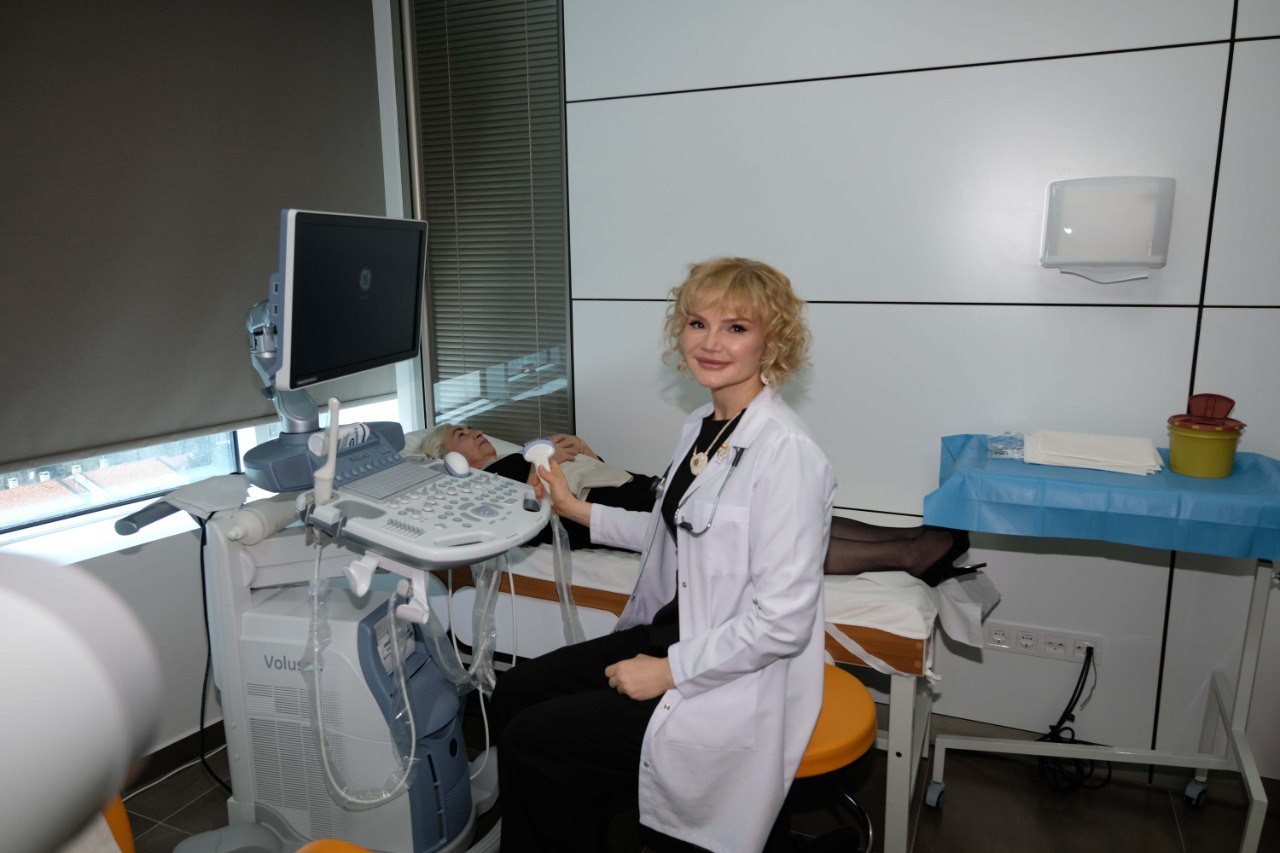
Combined Gynecological Surgeries: Restoring Health and Quality of Life
What are combined surgeries, and who are they suitable for? Combined surgeries are surgical interventions that address multiple gynecological issues in a single procedure. This approach is particularly relevant for women who no longer plan to have children.
Read more: Combined Gynecological Surgeries: Restoring Health and Quality of Life

First Visit to a Gynecologist in Istanbul: What You Need to Know
Moving to another country is always stressful, as you need to adapt to a new environment, culture, and find specialists you can trust with your health. Your first visit to a gynecologist in Istanbul can be especially nerve-wracking if you're in a foreign country. At our private gynecologist clinic in Istanbul, we create a comfortable atmosphere for patients and provide high-quality medical services.
Read more: First Visit to a Gynecologist in Istanbul: What You Need to Know

Genital Aesthetics: Modern Technologies for Health and Comfort
Modern aesthetic medicine includes not only facial and body care but also delicate procedures for the intimate area. Genital aesthetics are in demand for both functional and aesthetic reasons: they help restore comfort, address the effects of aging, and improve quality of life.